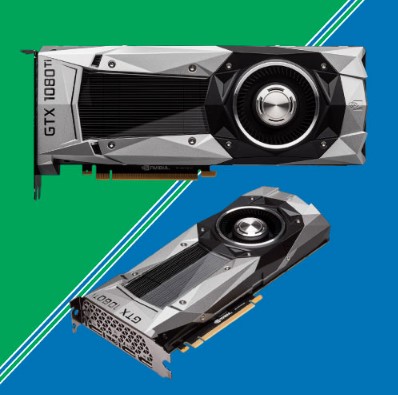
gtx 1080 ti is one of the most legendery gpu launched by nvidia which featured 11GB of VRAM and an MSRP of $699The card is now end of life with legacy drivers but it still commands a used price of around $160.
Game tests
OniMusha: Way of the Sword
- Tested at 1080p using FSR (since DLSS is unavailable) .
- Performance: Struggled to consistently hit a stable 60 FPS highlighting one of the main downsides of the card today—lack of modern game-ready driver optimizations for brand-new titles .
Arc Raiders
- Tested at 1080p on medium settings
- Performance: Achieved an average of 93 FPS with 1% lows of 66 FPS. While capable, it consumes more power (pulling around 225W) compared to newer budget alternatives.
Battlefield 6
- Tested at 1080p on high and medium settings.
- Performance: On medium settings with FSR enabled, it held a solid 79 FPS average, proving it can still handle modern multiplayer shooters surprisingly well.
Forza [Horizon] 6
- Tested at 1080p on high settings .
- Performance: Performed well above playable frames on high settings, though pushing extreme ray-tracing/settings maxed out the 11GB VRAM and strained the GPU.
conclusions
Pros: Nearly 10 years after its launch, the 1080 Ti can still competently play modern games at 1080p (and even 1440p with upscaling). Its 11GB VRAM helps keep it relevant.
Cons: Its price ($160) is somewhat inflated due to its legendary reputation.
]. It lacks modern features like hardware ray-tracing support and DLSS, runs hotter/less efficiently, and misses out on game-ready drivers for brand-new releases.
Final Advice: If you already own a 1080 Ti and play games that run well on it, you can stick with it. However, if you’re buying on the used market, spending just a little more money on an RTX 20-series card (like a 2070 Super or 2080) or an RTX 30-series card often provides much better overall value